Could Binocular Vision Dysfunction Be the Missing Piece?
You may have been told your eyes are healthy—or that you have 20/20 vision. Yet you still struggle with dizziness, headaches, motion sickness, neck pain, or anxiety while driving.
Could Binocular Vision
Dysfunction Be the Missing Piece?
You may have been told your eyes are healthy—or that you have 20/20 vision. Yet you still struggle with dizziness, headaches, motion sickness, neck pain, or anxiety while driving.
Could Binocular Vision Dysfunction Be the Missing Piece?
You may have been told your eyes are healthy—or that you have 20/20 vision. Yet you still struggle with dizziness, headaches, motion sickness, neck pain, or anxiety while driving.
What Is NeuroVisual Medicine?
NeuroVisual Medicine is a highly specialized area of optometry that focuses on the delicate relationship between your eyes and your brain.
While traditional eye exams measure optical refraction (how clearly your retina focuses light), NeuroVisual Medicine evaluates how well your eyes work together as a synchronized team.
Even a very small eye misalignment can force your brain to work overtime to combine two different images into one. Over time, this constant physical strain triggers symptoms that don't seem vision-related.
Did You Know?
You can have 20/20 vision and still have BVD.
One of the biggest misconceptions about Binocular Vision Dysfunction is that it only affects people with poor eyesight. In reality, many patients with BVD have excellent visual clarity.
What Is NeuroVisual Medicine?
NeuroVisual Medicine is a highly specialized area of optometry that focuses on the delicate relationship between your eyes and your brain.
While traditional eye exams measure optical refraction (how clearly your retina focuses light), NeuroVisual Medicine evaluates how well your eyes work together as a synchronized team.
Even a very small eye misalignment can force your brain to work overtime to combine two different images into one. Over time, this constant physical strain triggers symptoms that don't seem vision-related.
Did You Know?
You can have 20/20 vision and still have BVD.
One of the biggest misconceptions about Binocular Vision Dysfunction is that it only affects people with poor eyesight. In reality, many patients with BVD have excellent visual clarity.
What Is Binocular Vision Dysfunction (BVD)?
Binocular Vision Dysfunction occurs when your eyes are slightly misaligned. This means one eye is pointing slightly higher or further to the side than the other, preventing correct binocular convergence.
Although this alignment error may be extremely small—often completely invisible on basic eye muscle screening—your brain must constantly compensate to force the eyes to fuse images to keep your vision single and clear.
That constant, muscular strain is what triggers severe headaches, balance loss, and neck tension.
Common Symptoms of BVD
Anxiety While Driving
Reading Difficulties
Eye Strain & Fatigue
Nausea in Busy Spaces
Dizziness or Vertigo
Frequent Headaches
Severe Motion Sickness
Neck & Shoulder Pain
Light Sensitivity
Poor Unsteady Balance
"Because traditional vision charts focus strictly on reading acuity, these sub-degree binocular tracking failures are frequently overlooked."
What causes BVD?
BVD can be caused by facial asymmetry, concussion, or other head injuries, such as those from sports or falls. Research suggests that at least 20% of adults experience BVD symptoms that may interfere with daily life—often without realizing the cause.
While the exact reasons some people develop BVD are not always clear, research suggests BVD may run in families. Studies have also found connections between BVD symptoms and head injuries, concussions, and acquired brain injuries related to conditions such as stroke, Lyme disease, COVID-19, and mononucleosis.
Can BVD be misdiagnosed?
Yes, BVD symptoms are often mistaken for a number of other conditions since many medical and eye doctors don’t know how to screen for and diagnose BVD. Patients are regularly but mistakenly told they have one of the following conditions, while in reality BVD is the main cause of their symptoms:
Agoraphobia
Anxiety / Panic disorders
ADD / ADHD
Cervical misalignment
Meniere’s Disease
MS (Multiple Sclerosis)
Reading Comprehension Issues
Psychogenic dizziness / Chronic Subjective Dizziness
Sinus problems
PPPD (Persistent Postural-Perceptual Dizziness)
Vestibular Migraine / Migraine Associated Vertigo (MAV)
TMJ (temporomandibular joint) disorders
Sinus problems
Psychogenic dizziness / Chronic Subjective Dizziness
Psychogenic dizziness / Chronic Subjective Dizziness
What Is Binocular Vision
Dysfunction (BVD)?
Binocular Vision Dysfunction occurs when your eyes are slightly misaligned. This means one eye is pointing slightly higher or further to the side than the other, preventing correct binocular convergence.
Although this alignment error may be extremely small—often completely invisible on basic eye muscle screening—your brain must constantly compensate to force the eyes to fuse images to keep your vision single and clear.
That constant, muscular strain is what triggers severe headaches, balance loss, and neck tension.
Common Symptoms of BVD
Anxiety While Driving
Reading Difficulties
Eye Strain & Fatigue
Nausea in Busy Spaces
Dizziness or Vertigo
Frequent Headaches
Severe Motion Sickness
Neck & Shoulder Pain
Light Sensitivity
Poor Unsteady Balance
"Because traditional vision charts focus strictly on reading acuity, these sub-degree binocular tracking failures are frequently overlooked."
What causes BVD?
BVD can be caused by facial asymmetry, concussion, or other head injuries, such as those from sports or falls. Research suggests that at least 20% of adults experience BVD symptoms that may interfere with daily life—often without realizing the cause.
While the exact reasons some people develop BVD are not always clear, research suggests BVD may run in families. Studies have also found connections between BVD symptoms and head injuries, concussions, and acquired brain injuries related to conditions such as stroke, Lyme disease, COVID-19, and mononucleosis.
Can BVD be misdiagnosed?
Yes, BVD symptoms are often mistaken for a number of other conditions since many medical and eye doctors don’t know how to screen for and diagnose BVD. Patients are regularly but mistakenly told they have one of the following conditions, while in reality BVD is the main cause of their symptoms:
Agoraphobia
Anxiety / Panic disorders
ADD / ADHD
Cervical misalignment
Meniere’s Disease
MS (Multiple Sclerosis)
Reading Comprehension Issues
Psychogenic dizziness / Chronic Subjective Dizziness
Sinus problems
PPPD (Persistent Postural-Perceptual Dizziness)
Vestibular Migraine / Migraine Associated Vertigo (MAV)
TMJ (temporomandibular joint) disorders
Sinus problems
Psychogenic dizziness / Chronic Subjective Dizziness
Psychogenic dizziness / Chronic Subjective Dizziness
What Is NeuroVisual Medicine?
NeuroVisual Medicine is a highly specialized area of optometry that focuses on the delicate relationship between your eyes and your brain.
While traditional eye exams measure optical refraction (how clearly your retina focuses light), NeuroVisual Medicine evaluates how well your eyes work together as a synchronized team.
Even a very small eye misalignment can force your brain to work overtime to combine two different images into one. Over time, this constant physical strain triggers symptoms that don't seem vision-related.
Did You Know?
You can have 20/20 vision and still have BVD.
One of the biggest misconceptions about Binocular Vision Dysfunction is that it only affects people with poor eyesight. In reality, many patients with BVD have excellent visual clarity.
What Is Binocular Vision Dysfunction (BVD)?
Binocular Vision Dysfunction (BVD) is a serious eye condition where the eyes are misaligned, sending two different images to the brain. The brain struggles to merge these two different images into one clear image, causing symptoms such as headaches, dizziness, anxiety, motion sickness, and chronic neck pain.
Common Symptoms of BVD
BVD can affect people of all ages. Children may struggle with reading, coordination, sports, or car sickness, while adults may experience headaches, dizziness, anxiety, and difficulty with everyday or work activities.
Because BVD symptoms can be wide-ranging and often go unrecognized, specialists group them into categories based on how they affect patients.
Frequent Headaches
Severe Motion Sickness
Neck & Shoulder Pain
Light Sensitivity
Poor Unsteady Balance
Anxiety While Driving
Reading Difficulties
Eye Strain & Fatigue
Nausea in Busy Spaces
Dizziness or Vertigo
"Because traditional vision charts focus strictly on reading acuity, these sub-degree binocular tracking failures are frequently overlooked."
WHAT CAUSES BVD?
BVD can be caused by facial asymmetry, concussion, or other head injuries, such as those from sports or falls. Research suggests that at least 20% of adults experience BVD symptoms that may interfere with daily life—often without realizing the cause.
While the exact reasons some people develop BVD are not always clear, research suggests BVD may run in families. Studies have also found connections between BVD symptoms and head injuries, concussions, and acquired brain injuries related to conditions such as stroke, Lyme disease, COVID-19, and mononucleosis.
Can BVD be misdiagnosed?
Yes, BVD symptoms are often mistaken for a number of other conditions since many medical and eye doctors don’t know how to screen for and diagnose BVD. Patients are regularly but mistakenly told they have one of the following conditions, while in reality BVD is the main cause of their symptoms:
Agoraphobia
Anxiety / Panic disorders
ADD / ADHD
Cervical misalignment
Meniere’s Disease
MS (Multiple Sclerosis)
Reading Comprehension Issues
Sinus problems
Psychogenic dizziness / Chronic Subjective Dizziness
BPPV (Benign Paroxysmal Positional Vertigo)
PPPD (Persistent Postural-Perceptual Dizziness)
Vestibular Migraine / Migraine Associated Vertigo (MAV)
TMJ (temporomandibular joint) disorders
Why Is BVD Often Misdiagnosed?
Most patients have spent years visiting multiple neurologists, ear, nose, and throat (ENT) specialists, and physical therapists for unexplained balance and headache pain. Traditional eye exams primarily measure visual acuity (20/20 vision), missing alignment issues completely.
Because these vertical or horizontal misalignments are incredibly tiny—often less than a fraction of a single millimeter—it requires customized alignment hardware and specialized clinical expertise to identify them.
Only to be told that everything appears normal. But NeuroVisual Medicine looks at the eyes working together—which may explain symptoms that have otherwise gone unresolved.
How We Diagnose BVD
Our comprehensive NeuroVisual evaluation takes up to 90-120 minutes. We utilize highly detailed symptom logs, micro-deviation alignments, and specialized live prism trial frames.
Detailed Clinical Symptom Review
Advanced Prism Acuity Calibration
Dynamic Tracking Assessment
Horizontal & Vertical Deviations Map
Live Exam Trial Frame Walks
Personalized Prism Treatment Map
Why Is BVD Often Misdiagnosed?
Most patients have spent years visiting multiple neurologists, ear, nose, and throat (ENT) specialists, and physical therapists for unexplained balance and headache pain. Traditional eye exams primarily measure visual acuity (20/20 vision), missing alignment issues completely.
Because these vertical or horizontal misalignments are incredibly tiny—often less than a fraction of a single millimeter—it requires customized alignment hardware and specialized clinical expertise to identify them.
Only to be told that everything appears normal. But NeuroVisual Medicine looks at the eyes working together—which may explain symptoms that have otherwise gone unresolved.
How We Diagnose BVD
Our comprehensive NeuroVisual evaluation takes up to 90-120 minutes. We utilize highly detailed symptom logs, micro-deviation alignments, and specialized live prism trial frames.
Detailed Clinical Symptom Review
Advanced Prism Acuity Calibration
Dynamic Tracking Assessment
Horizontal & Vertical Deviations Map
Live Exam Trial Frame Walks
Personalized Prism Treatment Map
Why Is BVD Often Misdiagnosed?
Most patients have spent years visiting multiple neurologists, ear, nose, and throat (ENT) specialists, and physical therapists for unexplained balance and headache pain. Traditional eye exams primarily measure visual acuity (20/20 vision), missing alignment issues completely.
Because these vertical or horizontal misalignments are incredibly tiny—often less than a fraction of a single millimeter—it requires customized alignment hardware and specialized clinical expertise to identify them.
Only to be told that everything appears normal. But NeuroVisual Medicine looks at the eyes working together—which may explain symptoms that have otherwise gone unresolved.
How We Diagnose BVD
Our comprehensive NeuroVisual evaluation takes up to 90-120 minutes. We utilize highly detailed symptom logs, micro-deviation alignments, and specialized live prism trial frames.
Detailed Clinical Symptom Review
Advanced Prism Acuity Calibration
Dynamic Tracking Assessment
Horizontal & Vertical Deviations Map
Live Exam Trial Frame Walks
Personalized Prism Treatment Map
Treatment with Customized Prism Lenses
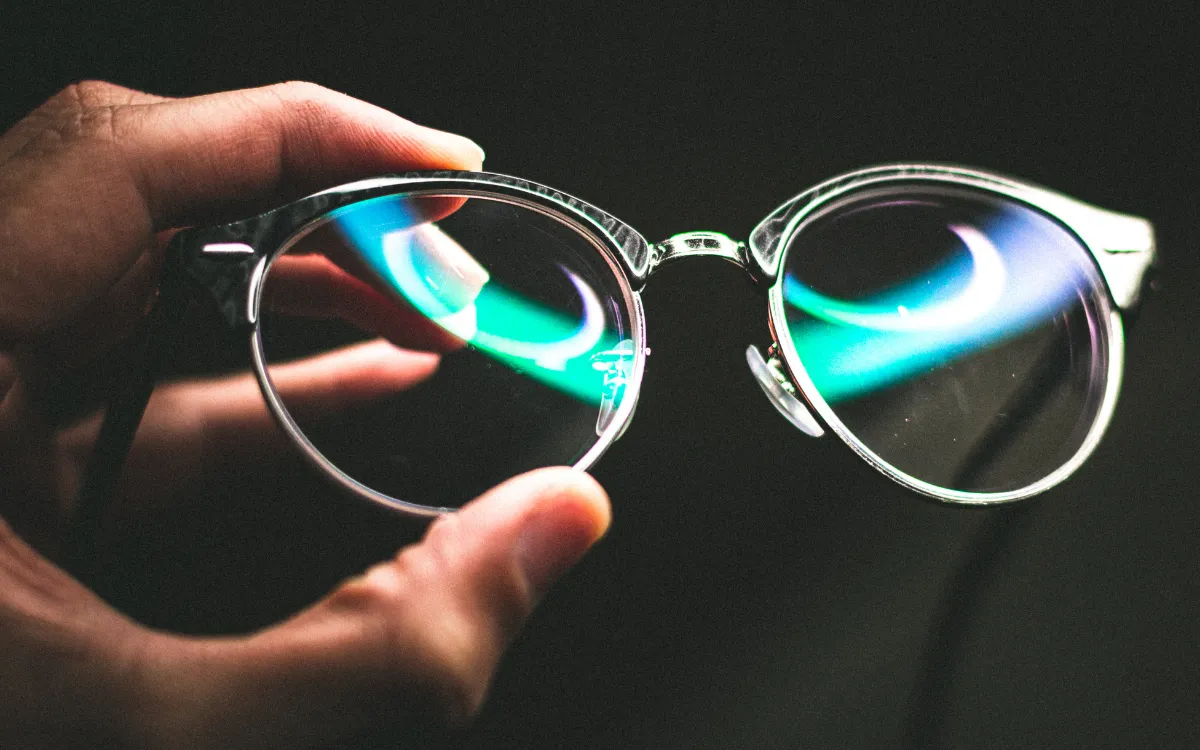
Once BVD is identified, Dr. Janidlo designs custom prescription prism lenses. These specialized optical lenses refract or bend the incoming light waves before they enter your pupil. This ensures that the two separate visual images land exactly on the corresponding areas of both retinas simultaneously.
As a direct result, your brain and eye muscles no longer have to constantly overwork or make micro-adjustments. The tension evaporates, allowing your nervous system to relax and recover.
"Finding answers with prism glasses changed my daily life. The chronic fatigue and driving anxiety are finally gone." — Verified Patient
Patients Frequently Report Improvements In:
Physical Comfort
Steady Balance
Reading Speed
Driving Confidence
Nervous System Focus
Treatment with Customized Prism Lenses
Once BVD is identified, Dr. Janidlo designs custom prescription prism lenses. These specialized optical lenses refract or bend the incoming light waves before they enter your pupil. This ensures that the two separate visual images land exactly on the corresponding areas of both retinas simultaneously.
As a direct result, your brain and eye muscles no longer have to constantly overwork or make micro-adjustments. The tension evaporates, allowing your nervous system to relax and recover.
"Finding answers with prism glasses changed my daily life. The chronic fatigue and driving anxiety are finally gone." — Verified Patient
Patients Frequently Report Improvements In:
Physical Comfort
Steady Balance
Reading Speed
Driving
Confidence
Nervous System Focus
Treatment with Customized Prism Lenses

"Finding answers with prism glasses changed my daily life. The chronic fatigue and driving anxiety are finally gone." — Verified Patient
Once BVD is identified, Dr. Janidlo designs custom prescription prism lenses. These specialized optical lenses refract or bend the incoming light waves before they enter your pupil. This ensures that the two separate visual images land exactly on the corresponding areas of both retinas simultaneously.
As a direct result, your brain and eye muscles no longer have to constantly overwork or make micro-adjustments. The tension evaporates, allowing your nervous system to relax and recover.
Patients Frequently Report Improvements In:
Physical Comfort
Steady Balance
Reading Speed
Driving Confidence
Nervous System Focus
Invest in Your Comfort & Relief
Binocular Vision Dysfunction is treatable. Our personalized care is designed to get to the root cause and help you feel like yourself again.
YOUR INVESTMENT INCLUDES:
✓ Comprehensive 90–120-minute NeuroVisual Evaluation
✓ Advanced binocular vision and coordination testing
✓ In-office Trial Frame testing with real-time prism evaluation
✓ Custom Micro-Prism prescription, when clinically indicated
✓ One custom calibration appointment
✓ One follow-up review within 90 days
✓ Ongoing support throughout your treatment window

Your $150 deposit secures your NeuroVisual Evaluation and is applied toward your $1,500 Complete NeuroVisual Program if you choose to proceed.
NeuroVisual Treatment Program
$1,500
ONE-TIME PAYMENT
Comprehensive Care. Customized for you
$150
deposit to get started
Your $150 deposit secures your NeuroVisual Evaluation and is applied toward your $1,500 program total if you choose to proceed.
Your 6–12 Month Treatment Window
Most patients complete their personalized treatment within an initial 6-month treatment window.
If treatment is recommended following your NeuroVisual Evaluation, your treatment plan will generally be structured over a 6–12 month treatment period.
This allows time for your visual system to adapt to treatment and for your care plan to be adjusted as you progress.
If additional changes or adjustments are needed after the initial 6-month period, a $395 adjustment fee may apply.
WHAT THIS MEANS FOR YOU
Time for your brain and eyes to adapt
Adjustments are made to fine-tune your results
Ongoing support to help you stay comfortable and symptom-free
Our goal is lasting relief and a better quality of life--every step of the way.
HOW PAYMENT WORKS
Reserve Your Appointment
Pay a $150 deposit to secure your NeuroVisual Evaluation.
Complete Your Evaluation
Your $150 deposit is applied toward the $1,500 program if you choose to continue.
Continue Your Treatment
The remaining $1,350 is paid during your treatment window as you continue through your personalized care.
Invest in Your Comfort & Relief
Binocular Vision Dysfunction is treatable. Our personalized care is designed to get to the root cause and help you feel like yourself again.
YOUR INVESTMENT INCLUDES:
✓ Comprehensive 90–120-minute NeuroVisual Evaluation
✓ Advanced binocular vision and coordination testing
✓ In-office Trial Frame testing with real-time prism evaluation
✓ Custom Micro-Prism prescription, when clinically indicated
✓ One custom calibration appointment
✓ One follow-up review within 90 days
✓ Ongoing support throughout your treatment window
Your $150 deposit secures your NeuroVisual Evaluation and is applied toward your $1,500 Complete NeuroVisual Program if you choose to proceed.
NeuroVisual Treatment Program
$1,500
ONE-TIME PAYMENT
Comprehensive Care. Customized for you
$150
deposit to get started
Your $150 deposit secures your NeuroVisual Evaluation and is applied toward your $1,500 program total if you choose to proceed.
Your 6–12 Month Treatment Window
Most patients complete their personalized treatment within an initial 6-month treatment window.
If treatment is recommended following your NeuroVisual Evaluation, your treatment plan will generally be structured over a 6–12 month treatment period.
This allows time for your visual system to adapt to treatment and for your care plan to be adjusted as you progress.
If additional changes or adjustments are needed after the initial 6-month period, a $395 adjustment fee may apply.
WHAT THIS MEANS FOR YOU
Time for your brain and eyes to adapt
Adjustments are made to fine-tune your results
Ongoing support to help you stay comfortable and symptom-free
Our goal is lasting relief and a better quality of life--every step of the way.
HOW PAYMENT WORKS
Reserve Your Appointment
Pay a $150 deposit to secure your NeuroVisual Evaluation.
Complete Your Evaluation
Your $150 deposit is applied toward the $1,500 program if you choose to continue.
Continue Your Treatment
The remaining $1,350 is paid during your treatment window as you continue through your personalized care.
Invest in Your Comfort & Relief
Binocular Vision Dysfunction is treatable. Our personalized care is designed to get to the root cause and help you feel like yourself again.
YOUR INVESTMENT INCLUDES:
Comprehensive 90–120-minute NeuroVisual Evaluation
Advanced binocular vision and coordination testing
In-office Trial Frame testing with real-time prism evaluation
Custom Micro-Prism prescription, when clinically indicated
One custom calibration appointment
One follow-up review within 90 days
Ongoing support throughout your treatment window
NeuroVisual Treatment Program
$1,500
ONE-TIME PAYMENT
Comprehensive Care. Customized for you
$150
deposit to get started
Your $150 deposit secures your NeuroVisual Evaluation and is applied toward your $1,500 program total if you choose to proceed.
Your 6–12 Month Treatment Window
Most patients see the best most lasting results within 6 to 12 months of personalized care.
This gives your visual system time to adapt while allowing for the adjustments and follow-up care needed along the way.
If additional changes or adjustments are needed after the initial 6-month treatment window, a $395 adjustment fee may apply.
This helps ensure your care remains focused, personalized, and appropriate for your needs.
WHAT THIS MEANS FOR YOU
Time for your brain and eyes to adapt
Adjustments are made to fine-tune your results
Ongoing support to help you stay comfortable and symptom-free
HOW PAYMENT WORKS
Reserve Your Appointment
Pay a $150 deposit to secure your NeuroVisual Evaluation.
Complete Your Evaluation
Your $150 deposit is applied toward the $1,500 program if you choose to continue.
Continue Your Treatment
The remaining $1,350 is paid during your treatment window as you continue through your personalized care.
Frequently Asked Questions
What are the benefits of special prism lenses for BVD?
Special realigning prism lenses help correct the visual misalignment associated with BVD, reducing the strain placed on the eyes and brain.
Many patients experience noticeable symptom relief quickly. Treatment is also non-invasive—no injections, surgery, or procedures are required. As symptoms improve, some patients may also find they rely less on medications or other consultations related to dizziness, headaches, and similar symptoms, under the guidance of their healthcare providers.
What age can be helped with BVD treatment?
There is no specific upper age limit for BVD treatment. A patient simply needs to be able to wear glasses and communicate or demonstrate how they are feeling.
BVD can affect both children and adults.
Can BVD symptoms get worse as I get older?
They can. As we age, changes in the eye muscles and the flexibility of the lens can make it more difficult for the eyes to focus and align images properly.
For someone already experiencing binocular vision dysfunction, these changes may contribute to worsening or more noticeable symptoms over time.
What is included in the $1,500 Complete Treatment Program?
Our comprehensive treatment program includes: 1) A specialized 90-to-120-minute clinical NeuroVisual Evaluation with Dr. Janidlo. 2) Advanced ocular muscle and alignment diagnostic mapping scans. 3) Full trial prism frame testing and guided in-office walk. 4) Your customized micro-prism lens prescription. 5) One priority follow-up calibration and progress checks within 90 days to fine-tune your prism alignment as your muscles relax.
Is there a payment plan available?
Yes! You can reserve your appointment with a $150 deposit. The remaining balance will be paid at the clinic during your visit. Your deposit secures your appointment time so we can provide you with the dedicated care and evaluation you need.
Can BVD cause anxiety?
It can contribute to feelings of anxiety in some people.
Dizziness, visual disorientation, and difficulty processing busy environments may make certain situations—such as crowds, large spaces, or driving—feel overwhelming. For some patients, the dizziness itself can also lead to increased anxiety.
Can BVD make it difficult to drive?
Yes. BVD can affect depth perception, balance, and visual stability, which may make driving uncomfortable or difficult for some people.
If driving has become challenging because of dizziness, visual discomfort, or difficulty judging distances, a BVD evaluation may help determine whether binocular vision dysfunction is contributing.
Can you help patients with a traumatic brain injury (TBI)?
Potentially, yes.
Patients with a history of TBI should first be thoroughly evaluated by their physician and appropriate brain-injury specialists to rule out other causes of their symptoms.
If other causes have been addressed and the patient demonstrates symptoms and findings consistent with BVD, NeuroVisual treatment may be able to help.
Can I still be helped if my injury or accident happened years ago?
Yes.
The length of time you've experienced symptoms does not necessarily prevent treatment. Some patients have experienced symptoms for many years and have still responded well to appropriate prism lens treatment.
Will I know during my exam if the glasses will help me?
In many cases, patients notice an improvement in their symptoms during the initial evaluation.
This response can help determine whether specialized micro-prism lenses may be beneficial.
The lenses work by bending light and shifting the images seen by each eye into better alignment, reducing the visual strain associated with the misalignment.
As treatment progresses, the lenses may be carefully adjusted to further reduce symptoms.
Find out if these symptoms are a result
of Binocular Vision Dysfunction (BVD)
Mon – Thu: 8:00 AM – 4:00 PM
Fri – Sun: Closed
FOLLOW US


Copyright 2026. PA Vision Relief Center Pllc. Designed by Highland Clicks by Maesh. All Rights Reserved.
Frequently Asked Questions
What are the benefits of special prism lenses for BVD?
Special realigning prism lenses help correct the visual misalignment associated with BVD, reducing the strain placed on the eyes and brain.
Many patients experience noticeable symptom relief quickly. Treatment is also non-invasive—no injections, surgery, or procedures are required. As symptoms improve, some patients may also find they rely less on medications or other consultations related to dizziness, headaches, and similar symptoms, under the guidance of their healthcare providers.
What age can be helped with BVD treatment?
There is no specific upper age limit for BVD treatment. A patient simply needs to be able to wear glasses and communicate or demonstrate how they are feeling.
BVD can affect both children and adults.
Can BVD symptoms get worse as I get older?
They can. As we age, changes in the eye muscles and the flexibility of the lens can make it more difficult for the eyes to focus and align images properly.
For someone already experiencing binocular vision dysfunction, these changes may contribute to worsening or more noticeable symptoms over time.
What is included in the $1,500 Complete Treatment Program?
Our comprehensive treatment program includes: 1) A specialized 90-to-120-minute clinical NeuroVisual Evaluation with Dr. Janidlo. 2) Advanced ocular muscle and alignment diagnostic mapping scans. 3) Full trial prism frame testing and guided in-office walk. 4) Your customized micro-prism lens prescription. 5) Two priority follow-up calibration and progress checks within 90 days to fine-tune your prism alignment as your muscles relax.
Is there a payment plan available?
Yes! You can reserve your appointment with a $150 deposit. The remaining balance will be paid at the clinic during your visit. Your deposit secures your appointment time so we can provide you with the dedicated care and evaluation you need.
Can BVD make it difficult to drive?
Yes. BVD can affect depth perception, balance, and visual stability, which may make driving uncomfortable or difficult for some people.
If driving has become challenging because of dizziness, visual discomfort, or difficulty judging distances, a BVD evaluation may help determine whether binocular vision dysfunction is contributing.
Can you help patients with a traumatic brain injury (TBI)?
Potentially, yes.
Patients with a history of TBI should first be thoroughly evaluated by their physician and appropriate brain-injury specialists to rule out other causes of their symptoms.
If other causes have been addressed and the patient demonstrates symptoms and findings consistent with BVD, NeuroVisual treatment may be able to help.
Will I know during my exam if the glasses will help me?
In many cases, patients notice an improvement in their symptoms during the initial evaluation.
This response can help determine whether specialized micro-prism lenses may be beneficial.
The lenses work by bending light and shifting the images seen by each eye into better alignment, reducing the visual strain associated with the misalignment.
As treatment progresses, the lenses may be carefully adjusted to further reduce symptoms.
Is BVD Treatment Covered by Insurance?
BVD treatment is generally considered a specialized vision therapy service and is not typically covered by insurance. Our BVD treatment program is a private-pay service, and payment options are available to help make treatment more accessible.
We recommend checking with your insurance provider directly if you have questions about your individual coverage.
Find out if these symptoms are
a result of Binocular Vision
Dysfunction (BVD)
Mon – Thu:
8:00 AM – 4:00 PM
Fri – Sun: Closed
FOLLOW US
Copyright 2026. PA Vision Relief Center Pllc. Designed by Highland Clicks by Maesh. All Rights Reserved.
Find out if these symptoms are
a result of Binocular Vision
Dysfunction (BVD)
Mon – Thu: 8:00 AM – 4:00 PM
Fri – Sun: Closed
FOLLOW US
Copyright 2026. PA Vision Relief Center Pllc. Designed by Highland Clicks by Maesh. All Rights Reserved.